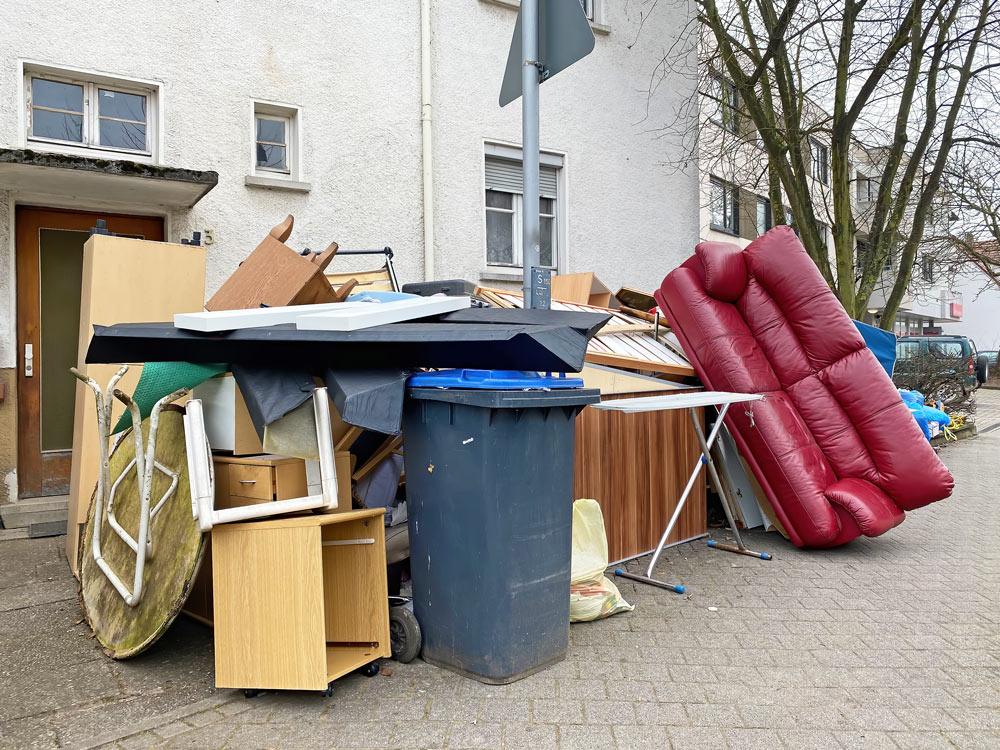
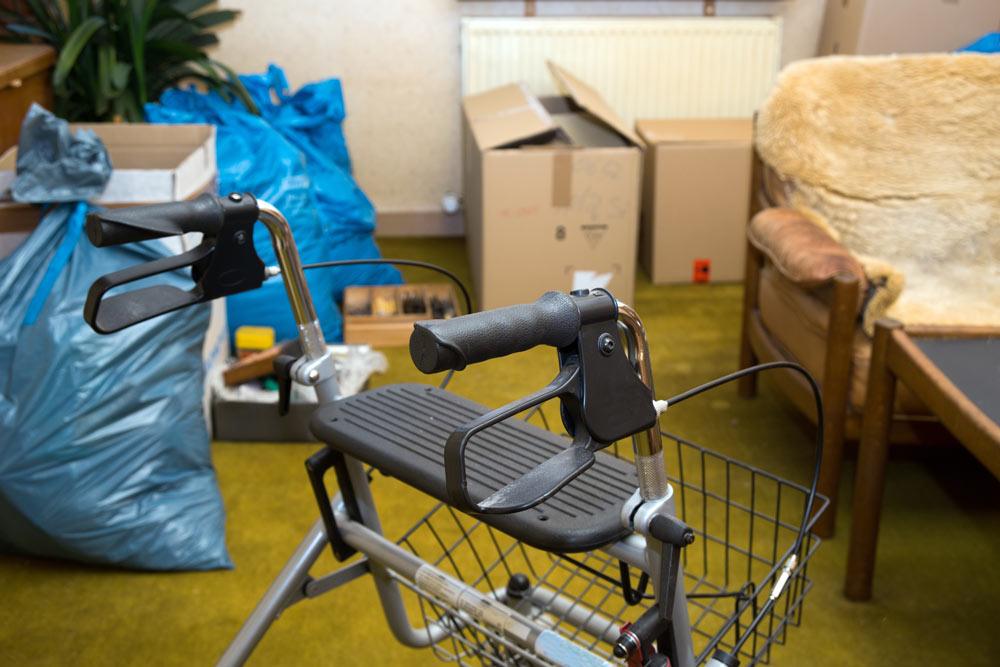
Clearing a house can be a stressful and emotional task, whether you’re preparing a property for sale, handling the belongings of a loved one, or simply making space. House clearances often involve more than just removing clutter — they require planning, sensitivity, and legal awareness.
Unfortunately, many people make costly or time-consuming mistakes that could easily be avoided with the right knowledge. In this blog, we’ll explore the top 7 mistakes to avoid during a house clearance, and offer practical tips to help you carry out a successful, stress-free clearance.
1. Leaving Everything Until the Last Minute
The mistake: One of the most common errors is underestimating how long a house clearance will take. Many assume it’s a one-day job, only to find themselves overwhelmed by the sheer amount of sorting, lifting, and decision-making involved.
Why it’s a problem: Rushed clearances lead to poor decisions, such as throwing away valuable or sentimental items or paying unnecessary fees for emergency services.
How to avoid it:
Start planning early. Give yourself at least a few weeks, especially if the property is large or has been lived in for many years. If you’re working to a deadline (e.g. for probate, sale or tenancy handover), book professionals well in advance and allow time for sorting personal effects.
2. Not Checking for Important Documents or Valuables
The mistake: Many people begin clearing rooms without thoroughly checking drawers, cupboards, or boxes. This can result in documents being shredded, jewellery being binned, or family heirlooms being lost forever.
Why it’s a problem: Once items are taken to the tip or donated, it’s too late to recover them. Even something that looks like junk could hold value — legally, financially, or sentimentally.
How to avoid it:
Go through everything carefully. Create a checklist of items to look for, including passports, birth/marriage certificates, wills, bank statements, photographs, jewellery, or items of sentimental value. Professional clearance teams are trained to identify items of interest, but it’s always best to sort through things yourself first if possible.
3. Trying to Do Everything Yourself
The mistake: Many people attempt to do the entire clearance without any help. While this may save money up front, it often leads to physical strain, injury, or burnout, particularly in emotionally charged situations.
Why it’s a problem: Without the proper tools, transport, or disposal licences, clearing a house on your own can be slow, inefficient, and even dangerous.
How to avoid it:
Hire a reputable house clearance company. They’ll have the manpower, vehicles, and waste disposal knowledge to get the job done efficiently. For smaller jobs, you may be able to do some sorting yourself, then hire professionals to handle the heavy lifting and waste removal.
4. Using an Unlicensed Waste Carrier
The mistake: In an effort to save money, some people hire unlicensed or “man with a van” services that don’t have proper waste carrier licences or insurance.
Why it’s a problem: If your waste ends up being fly-tipped and traced back to you, you could face fines of up to £5,000 — even if you didn’t dump it yourself.
How to avoid it:
Always check that your clearance provider holds a valid waste carrier licence issued by the Environment Agency. Ask for proof and make sure they provide a waste transfer note when the job is complete. A reputable company will be happy to show this.
5. Overlooking Items That Could Be Sold or Donated
The mistake: In a rush to clear everything out, people often throw away items that could be sold, reused, or donated to charity.
Why it’s a problem: Not only is this wasteful, but you may be missing out on items that have real resale value, such as antique furniture, vintage clothing, collectables, or working electronics.
How to avoid it:
Sort items into categories: keep, sell, donate, recycle, and dispose. Some clearance companies offer to offset the cost of clearance with any valuable items they recover and resell. Others will donate usable goods to local charities. Ask your provider about their process.
6. Failing to Consider Emotional or Family Factors
The mistake: House clearances — especially after a bereavement — can be emotionally difficult. Rushing through the process without considering family input can cause disputes or long-term regrets.
Why it’s a problem: Once belongings are removed or discarded, they may be gone forever. Family members may feel hurt or left out if they weren’t given a chance to keep certain items.
How to avoid it:
Before starting, communicate with relatives and ask if there are any items they’d like to claim. Allow time for emotions to be processed. If necessary, take a short break before starting a clearance. Some professional clearance teams offer compassionate services for probate or bereavement cases, working discreetly and respectfully.
7. Ignoring Health and Safety Risks
The mistake: Entering dusty lofts, carrying heavy furniture, or handling unknown materials (like asbestos or sharp objects) without proper protection can be dangerous.
Why it’s a problem: Injuries during a clearance are common, especially if the property has been neglected or contains hazardous materials.
How to avoid it:
Use protective clothing, gloves, and dust masks when clearing items. Don’t attempt to lift heavy furniture without help. If you suspect hazardous waste is present (e.g. asbestos, chemicals, sharps), leave it to professionals. Clearance companies are trained in safe handling and disposal and carry appropriate insurance.
Final Thoughts
A house clearance can feel overwhelming, but avoiding these seven common mistakes will make the process smoother, safer, and more cost-effective. The key is to plan ahead, work with professionals, and take the time to sort through belongings carefully.
Here’s a quick summary of what to keep in mind:
-
Start early and plan ahead
-
Search thoroughly for important items
-
Use licensed, insured professionals
-
Avoid fly-tippers at all costs
-
Look for opportunities to donate or sell
-
Consider the emotional impact on yourself and others
-
Prioritise safety at every stage
Whether you’re clearing a home after a loss, preparing for a move, or just reclaiming your space, a well-managed clearance can offer peace of mind — and a fresh start.
Need help with a house clearance?
Our team of experienced, licensed professionals is here to make the process simple and stress-free. Contact us today for a free, no-obligation quote and let us take the weight off your shoulders.